A sustainable and evolving aesthetic to improve social acceptance of bio-composites
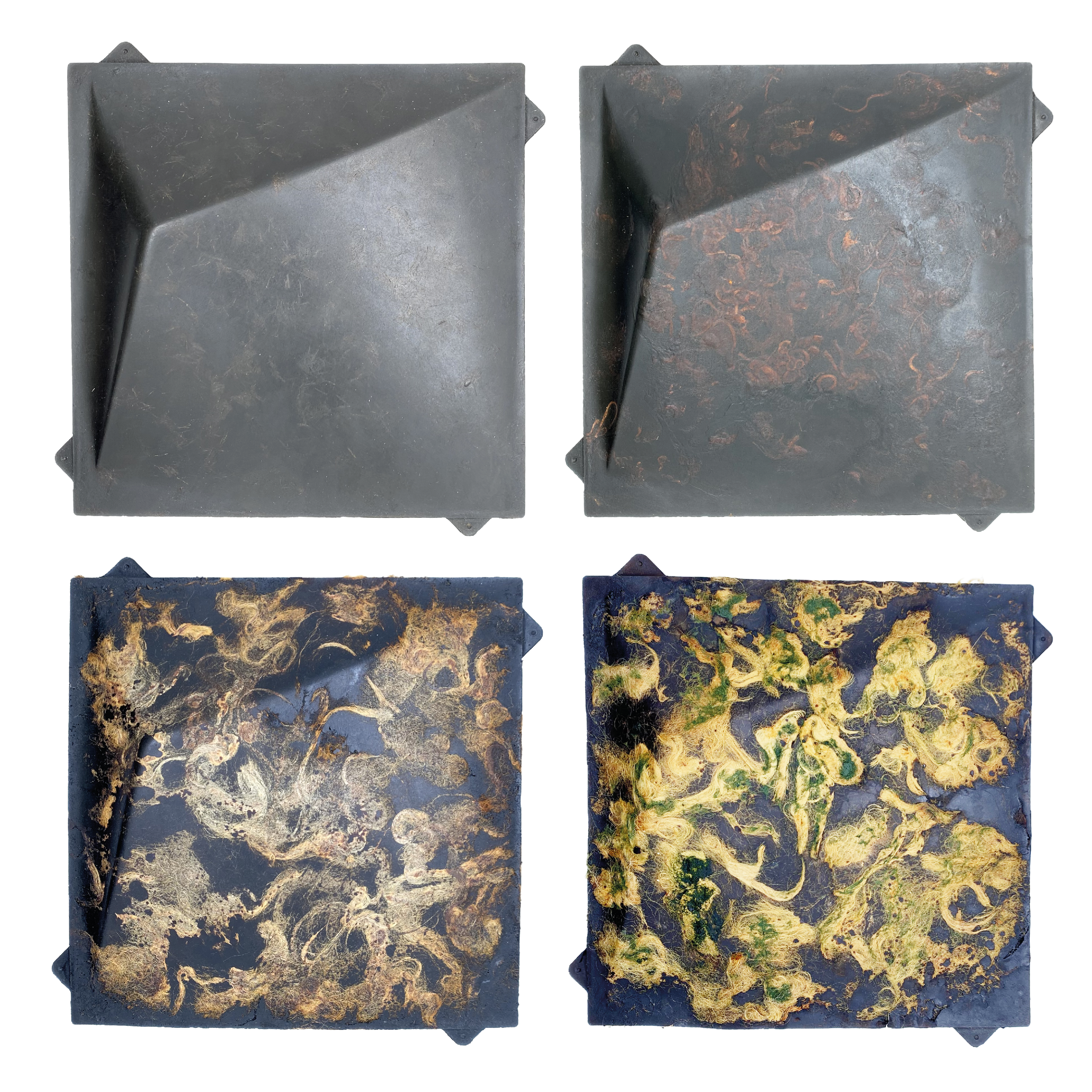
Living Traces, explores how to create an imperfect and evolving aesthetic for the N8040-composite, a 100% bio-based and waste-based composite developed by the company NPSP. Sustainable materials, such as the bio-composite N8040, struggle with social acceptance due to their susceptibility to decay and perceived lack of desirability. By experimenting with fibres, pigmentation, weathering, and bioreceptive growth, I created facade panels that gain value over time and embrace imperfection, impermanence and transformation. Thereby reframing decay as a design opportunity rather than a weakness of sustainable materials. Living Traces aims to improve the social acceptance of bio-based materials, challenge the current aesthetic model rooted in perfection, mass production and newness and demonstrate a future where buildings and nature evolve in harmony.
Type of project: Final Master Project
Duration: Semester, 5 months
Work type: Solo work
Recognition: Exhibited at Dutch Design week 2025
Methods used: Material Driven Design, Design Research, Expert interviews, Expert validation, User study social acceptance, Stakeholder management, Compression moulding, Quantitative and qualitative data analysis, SWOT analysis
Partners: NPSP, Blue City lab and Bio-aNAlytiX van Biezen

Final facade panels; one that gradually reveals flax fibres, one with wool that develops a patina over time and two bio-receptive panels that invite algae or mycelium growth.
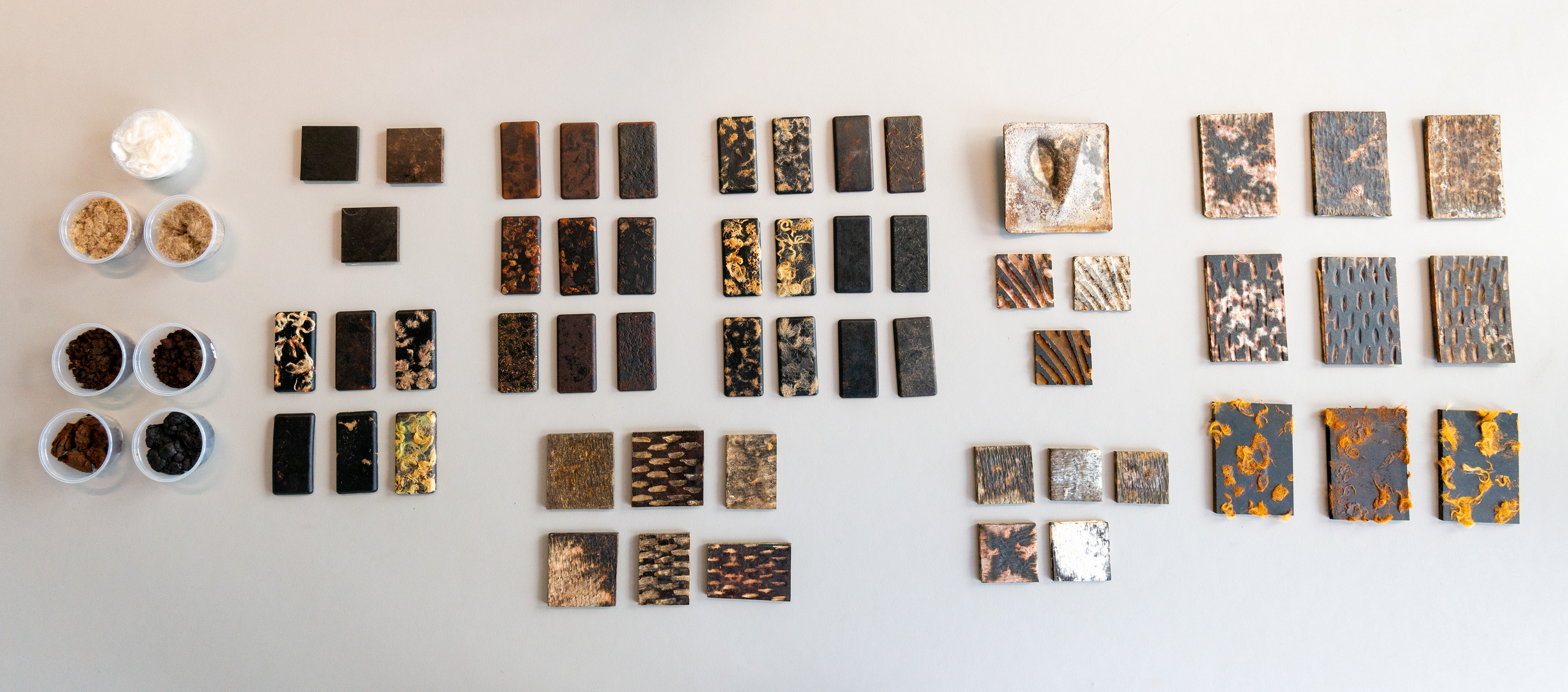
Overview of samples

Adding plant-based pigments, sandblasting reveals transformation over time
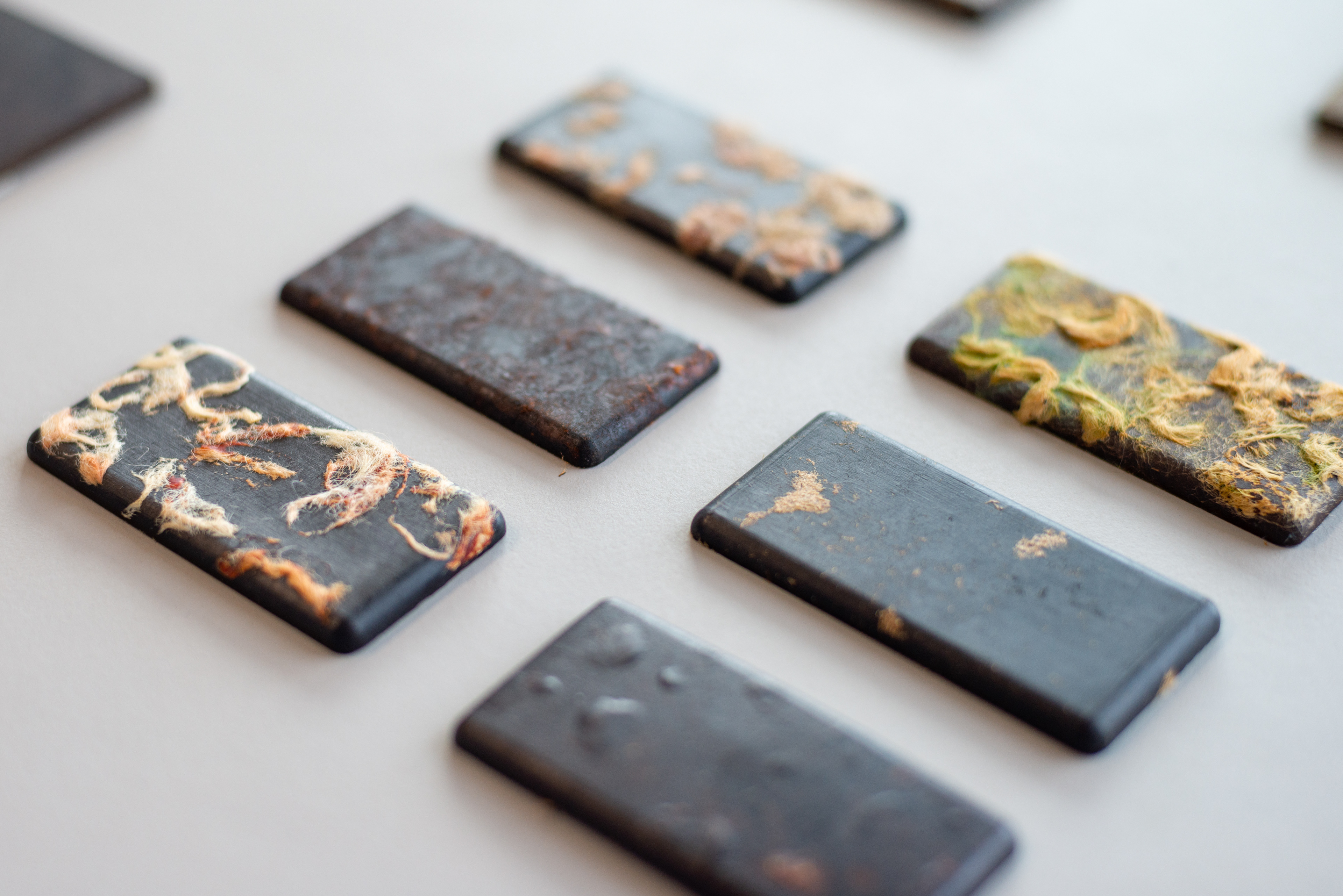
Adding fibers colored with fungi and algea

Evolving aesthetic revealed through sandblasting

Transforming aesthetic revealed through sandblasting and accelerated weathering for mycelium growth and colored wool
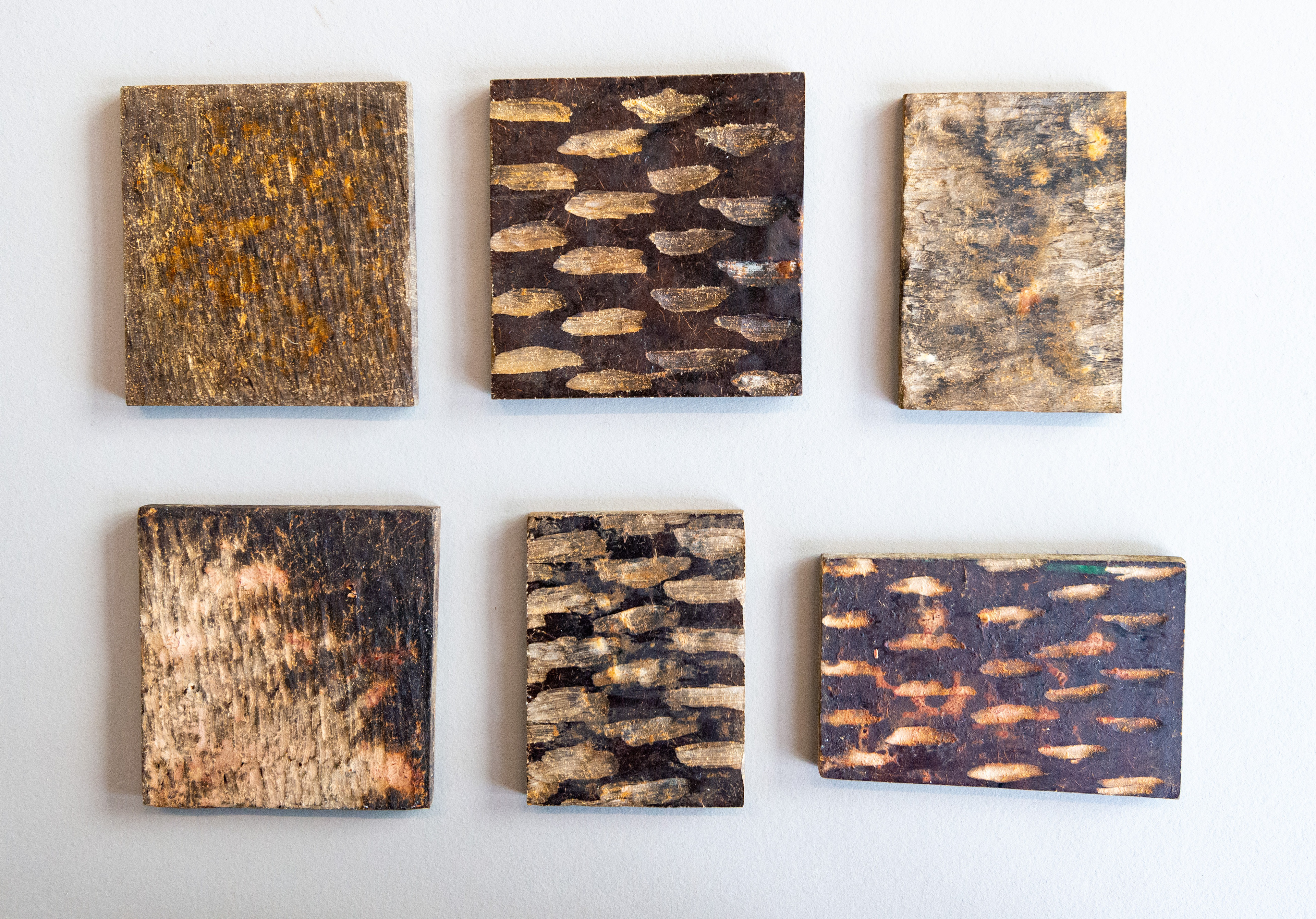
Mycelium growth on hand-engraved samples
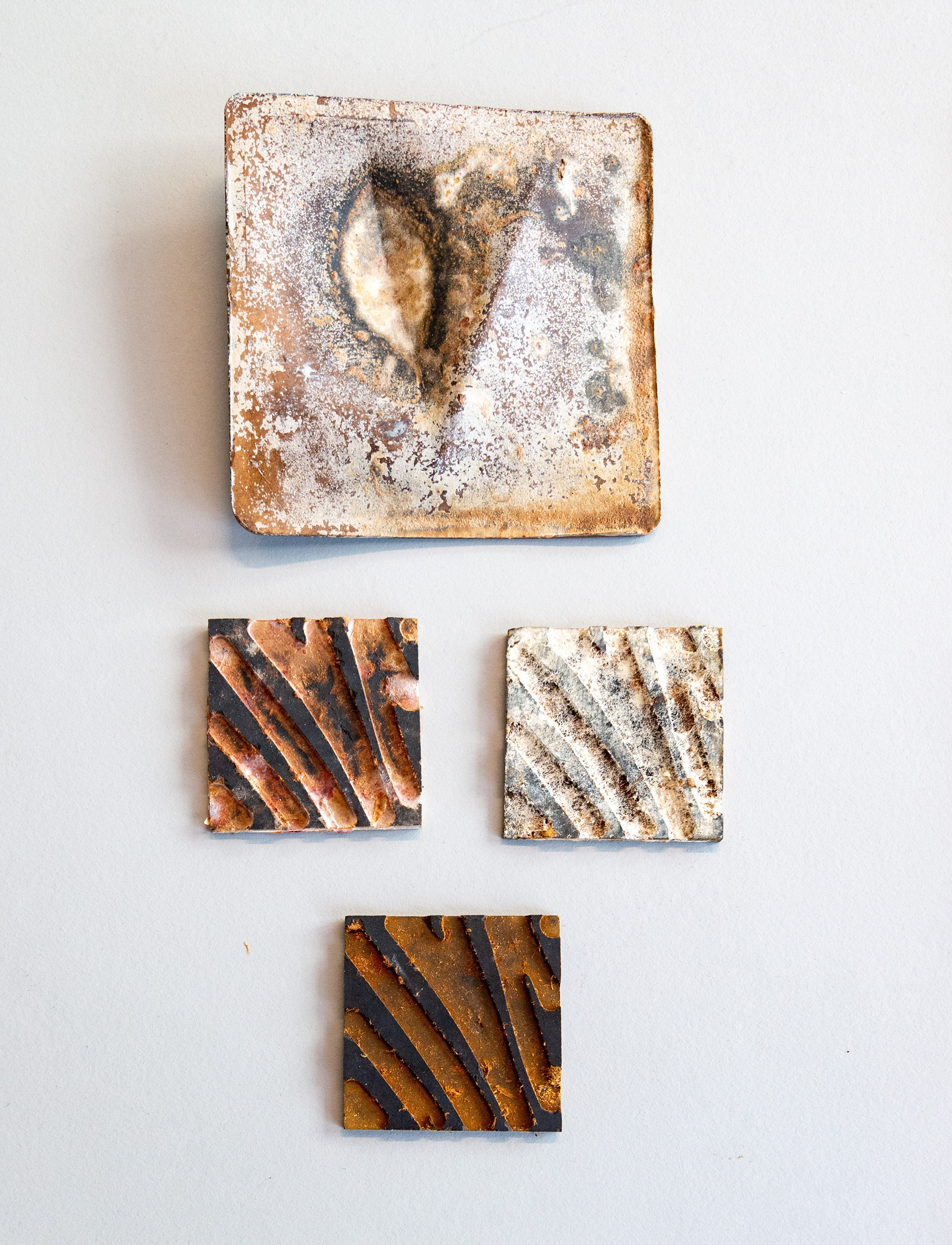
Mycelium growth on CNC-engraved samples

Experiments with mycelium growth in Bio lab
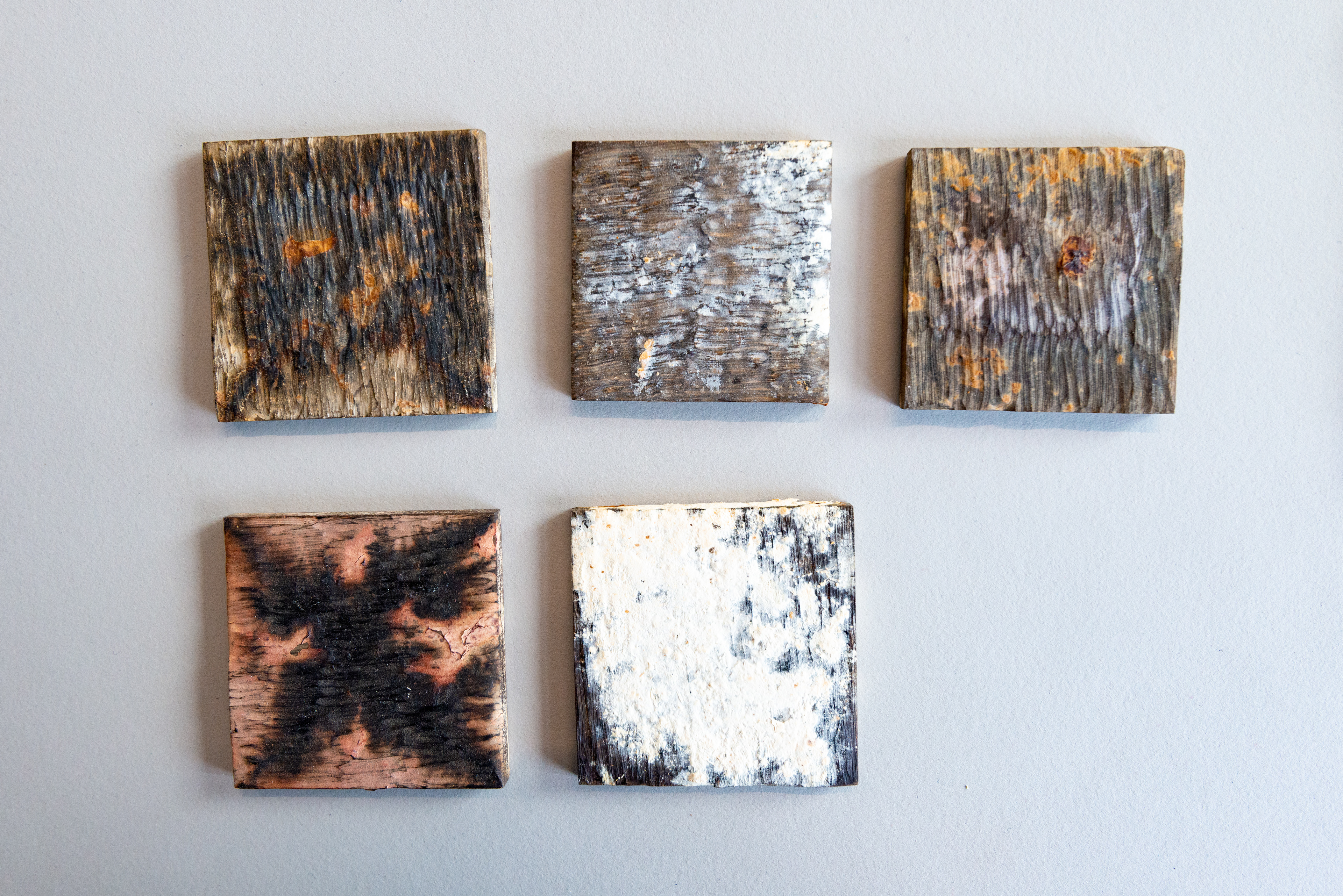
Mycelium growth on different material compositions
Video shows material transformation over time