Enhancing social acceptance of PHBV-composites through an evolving aesthetic
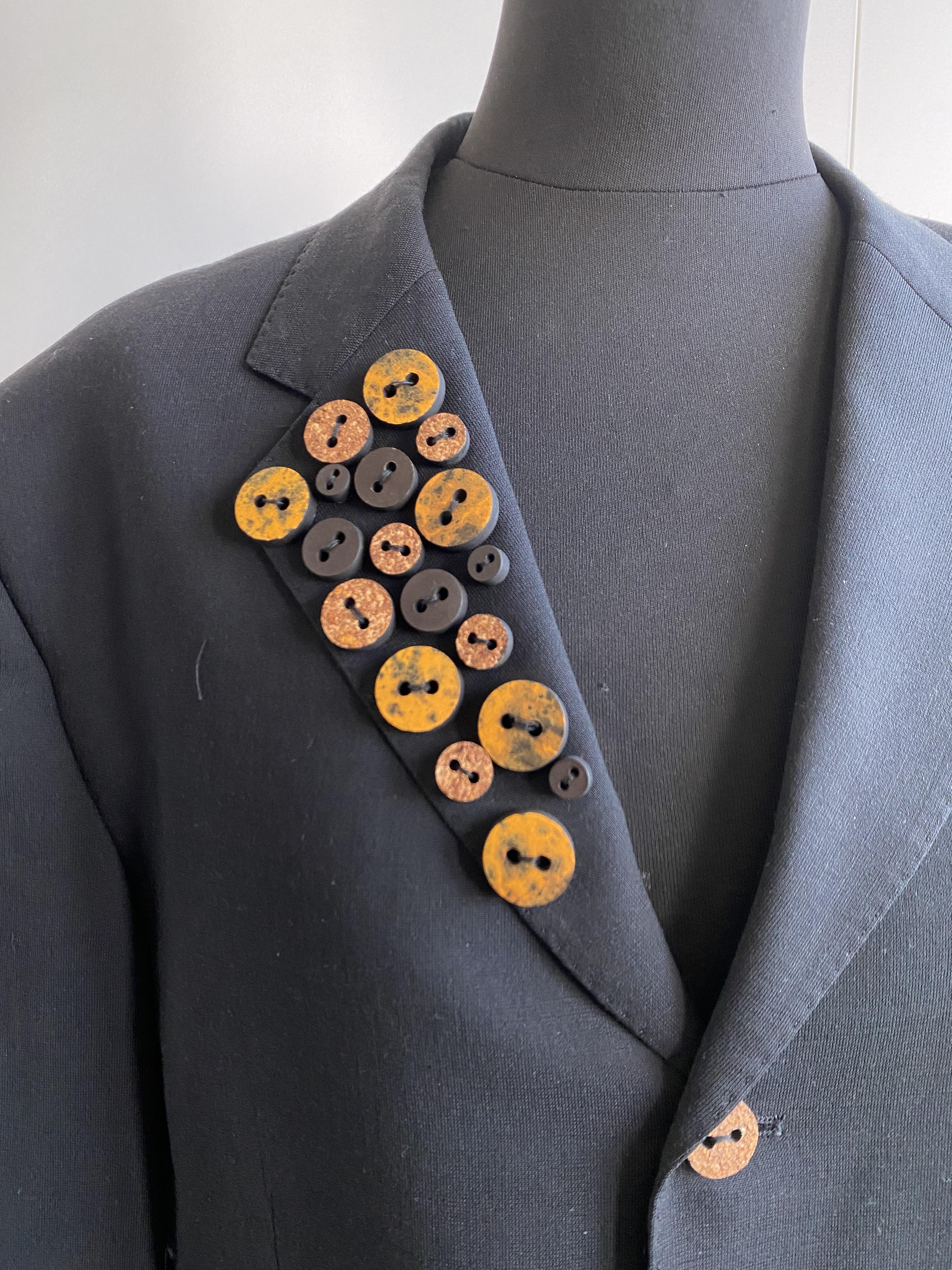
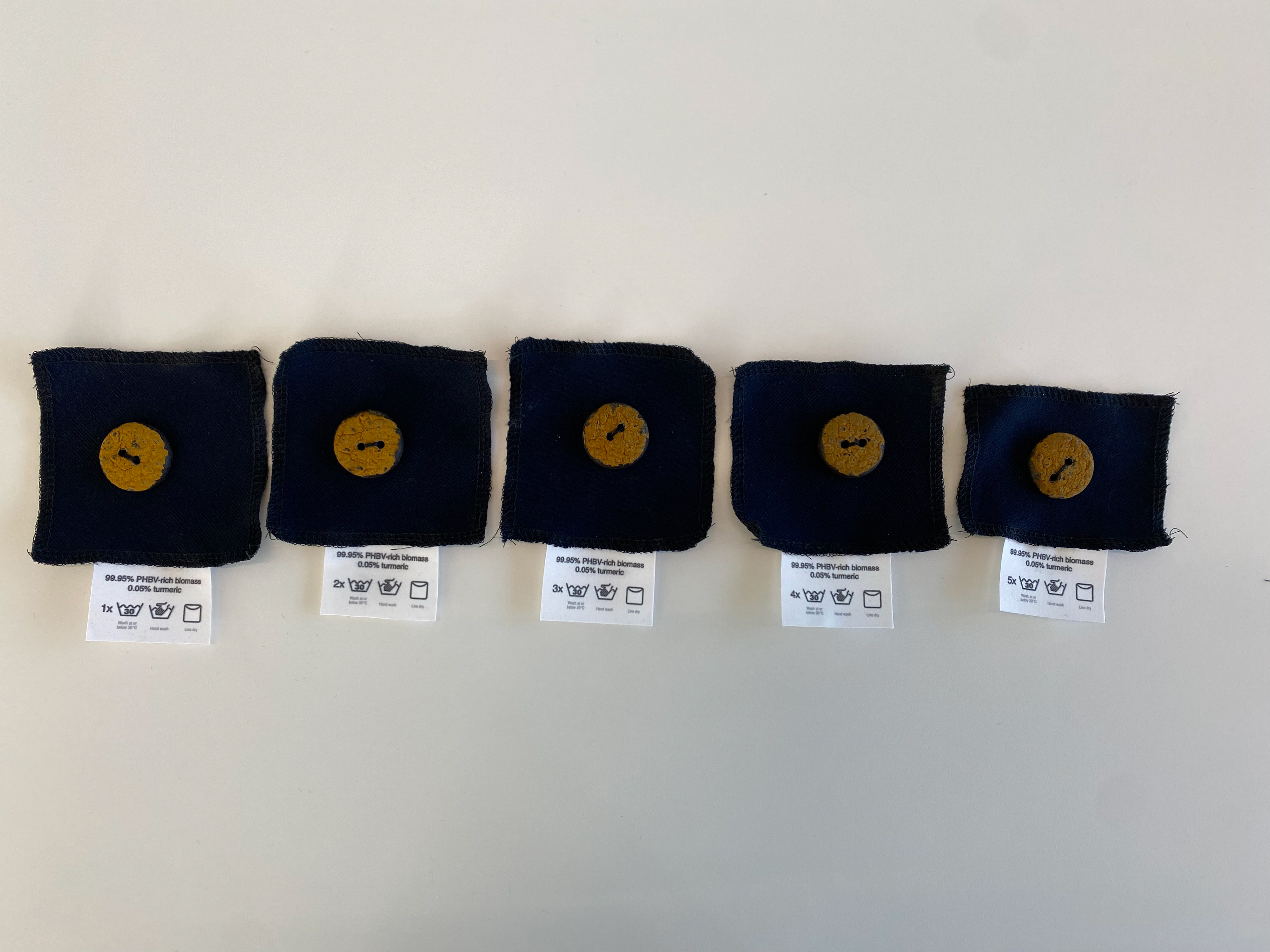
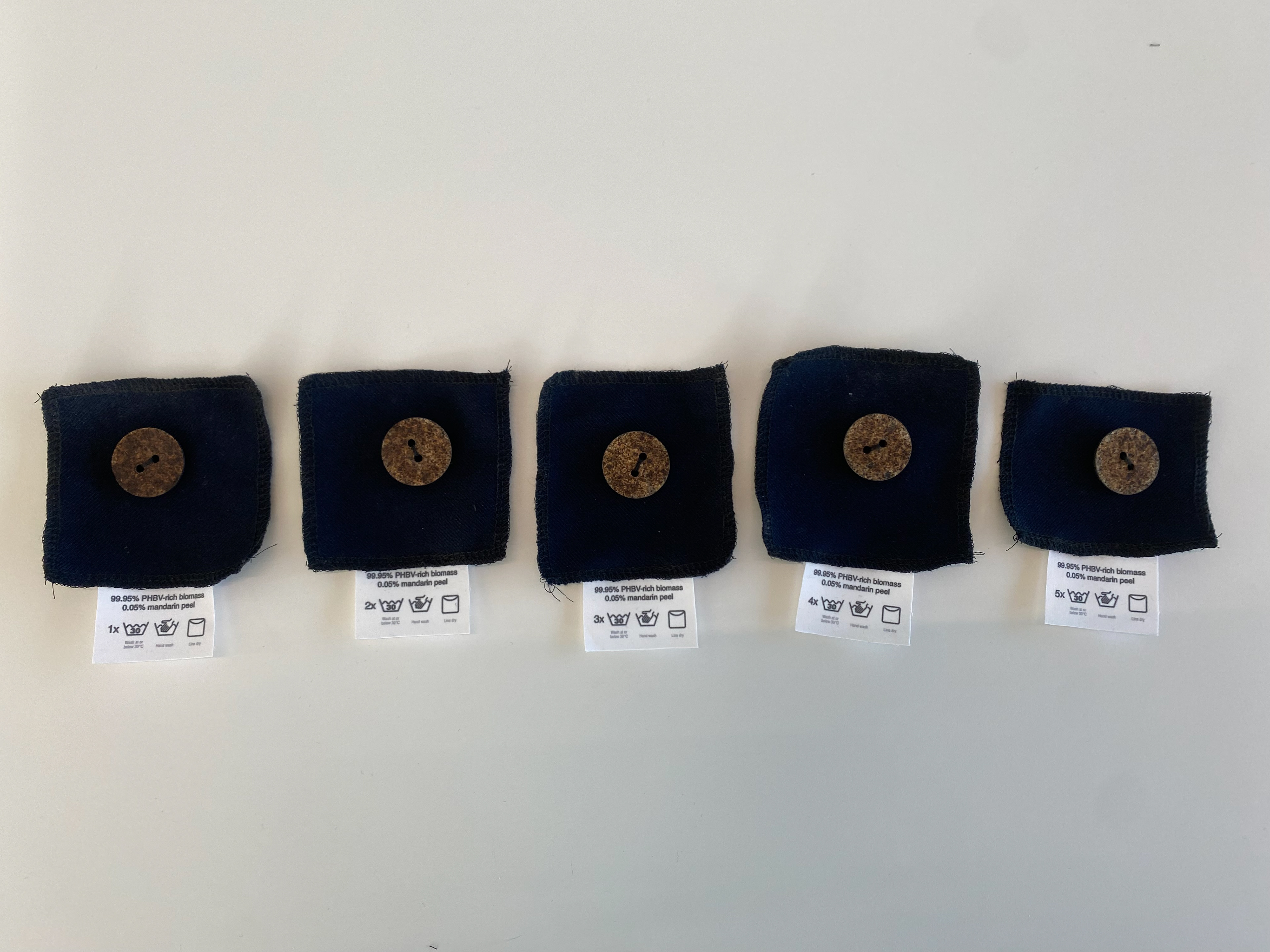
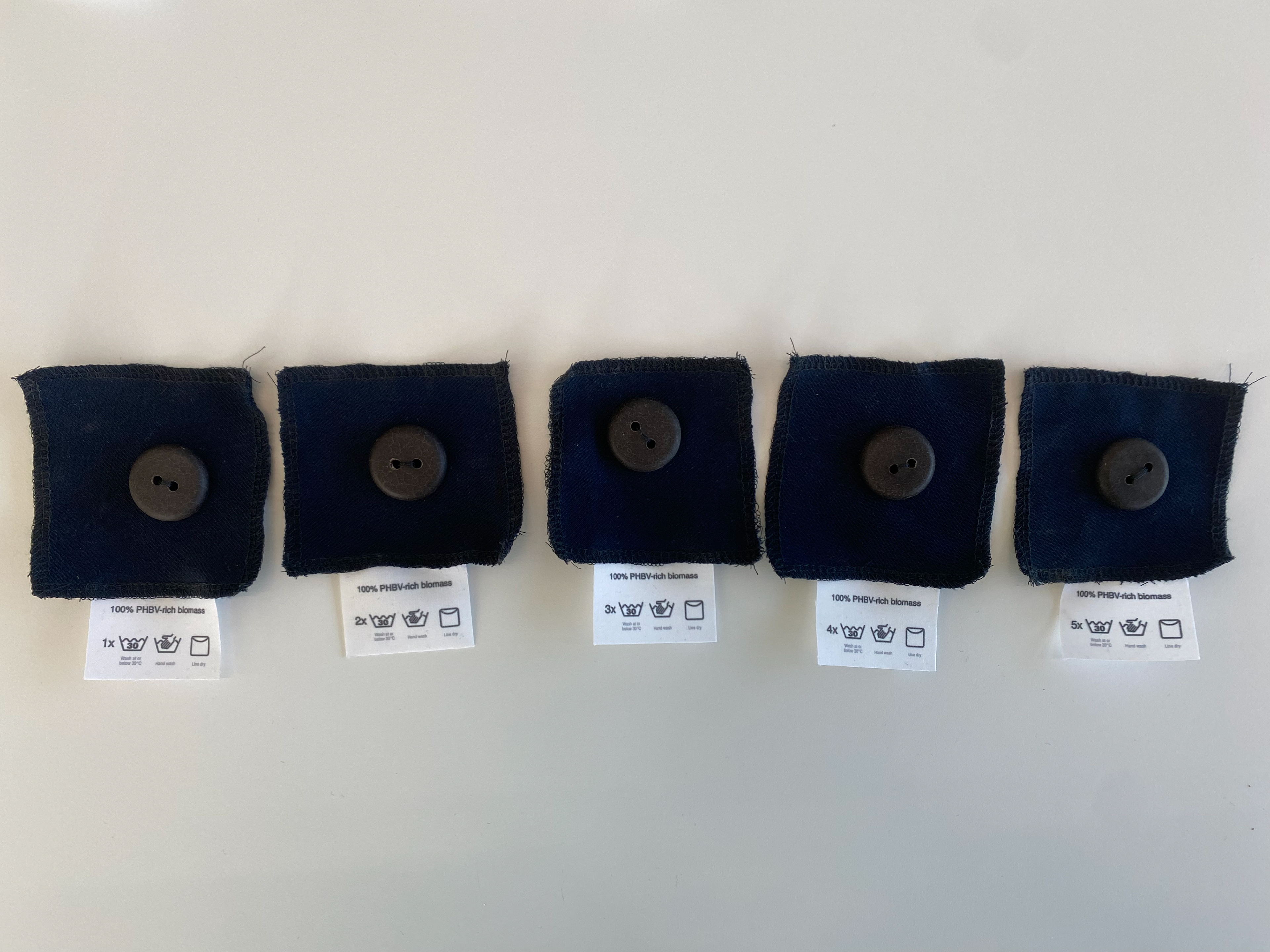
This project is part of the Pro-PHBV project, which is focused on developing a new bio-composite, PHBV, derived from municipal wastewater and bacteria. PHBV can be a promising alternative to conventional plastics. However, bio-composites often struggle with social acceptance due to their poor aesthetics. They either mimic the conventional material or adopt a “green aesthetic” which only appeals to a small group of users. I take a material-driven design approach and take inspiration from natural materials like wood and leather that age with grace. The experiments focused on imperfection, graceful ageing and decay. The aim is to explore if an imperfect and evolving aesthetics can improve social acceptance of PHBV-composites by leveraging the biodegradable nature of the material as a design opportunity. The result are unique, personal, and durable buttons that gradually transform over time through washing and foster long-term user attachment.
Type of project: Project at company, preparation for Final Master Project
Duration: Semester, 5 months
Work type: Solo work
Methods used: Material Driven Design, Design Research, User study social acceptance, Stakeholder management, Compression moulding
Partners: Paques biomaterials, NPSP, Waardenburg Ecology, Material Sense LAB, Ahrend and AMS Institute
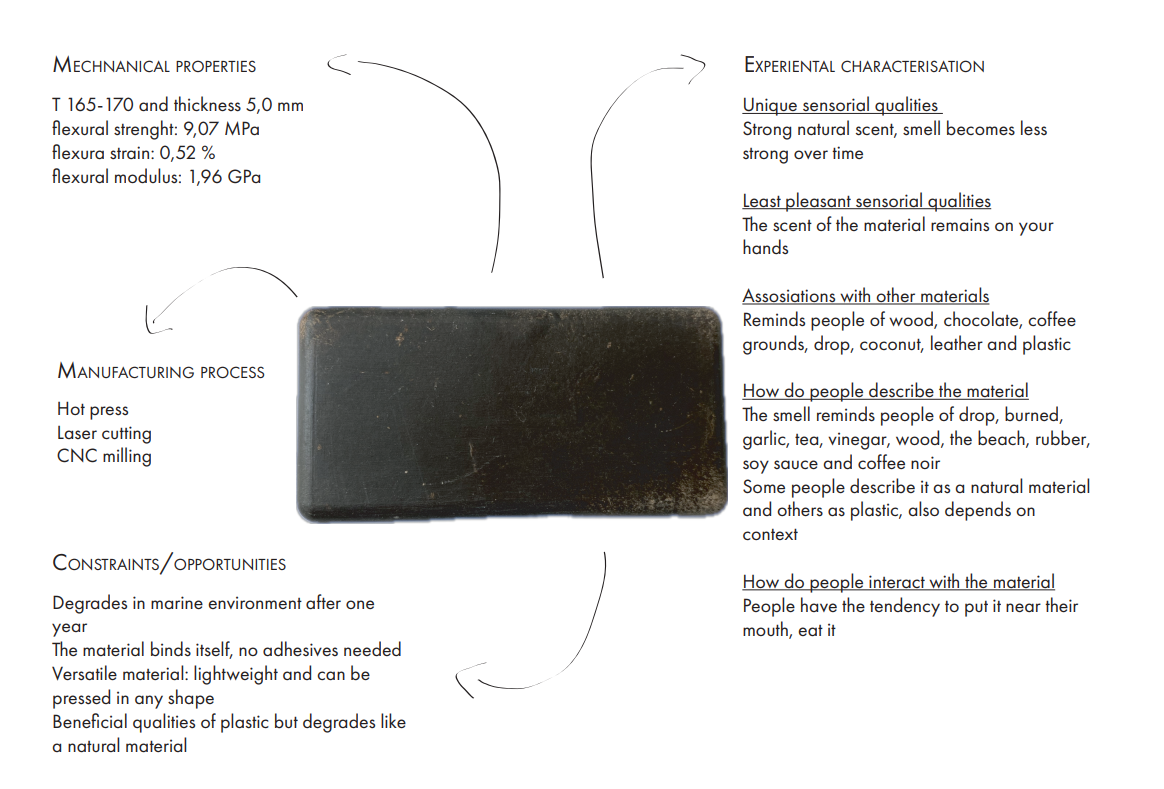
Material characterisation PHBV
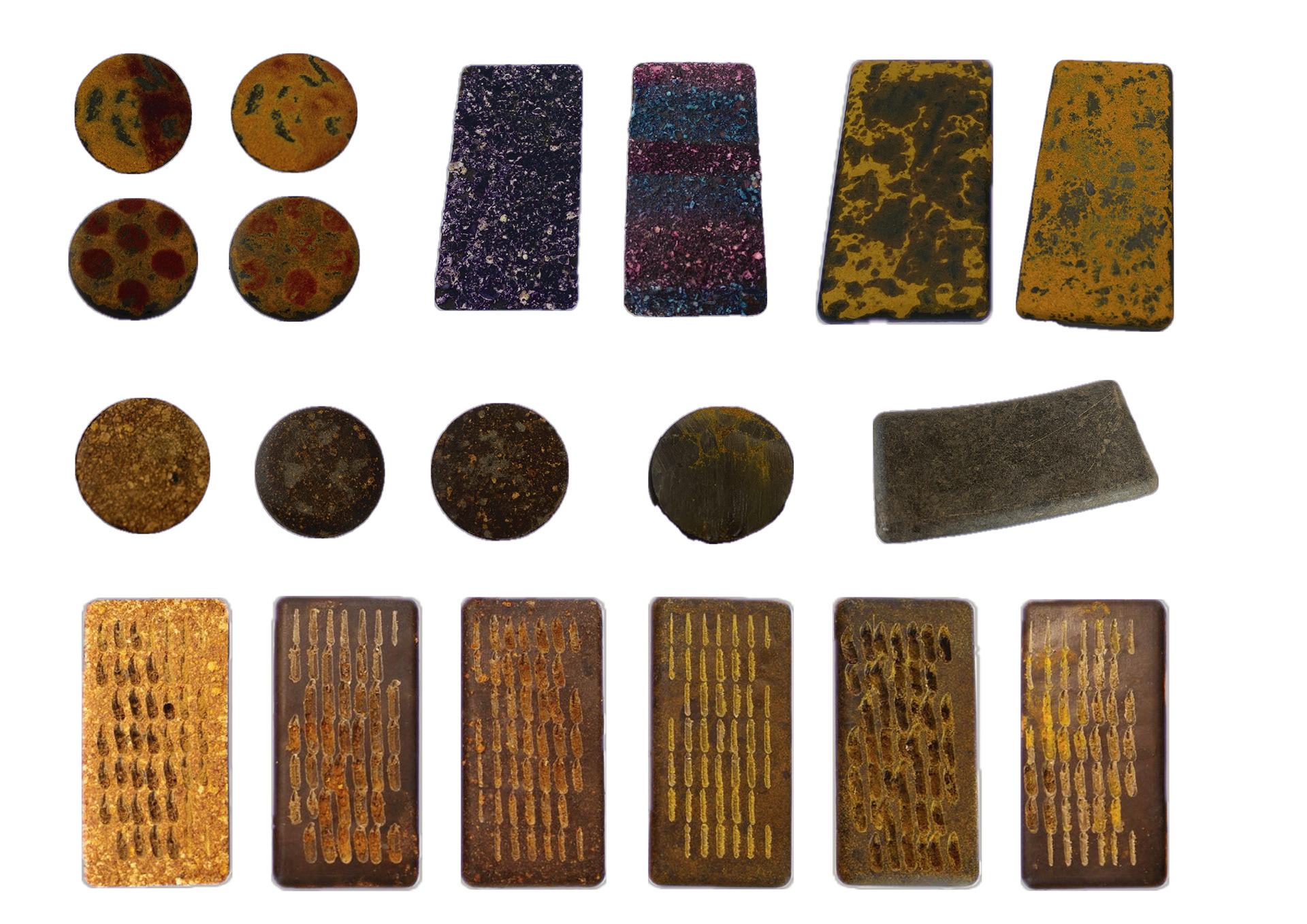
Overview of samples with transformations over time based on PH reactions and abrasion
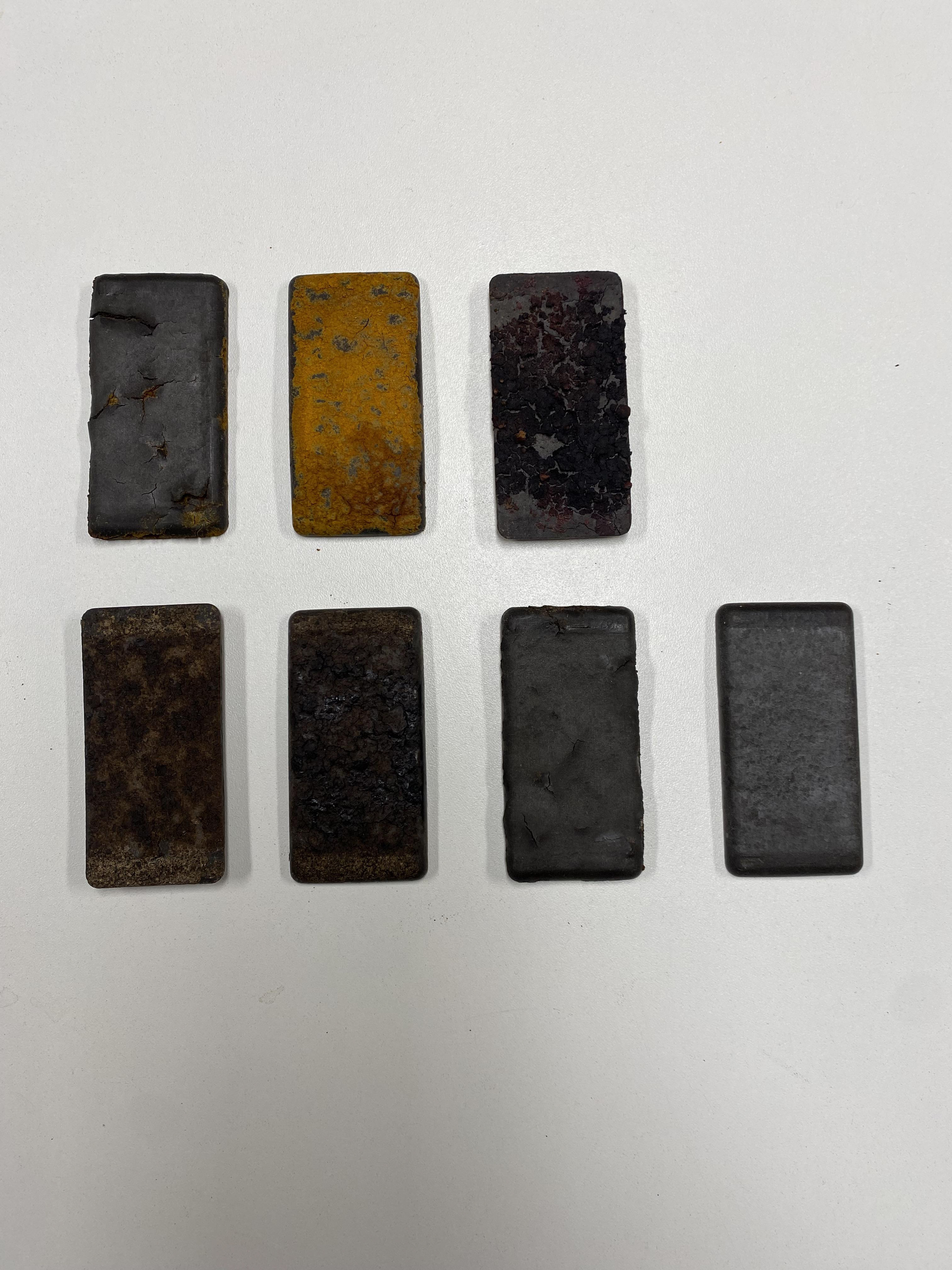
Samples after accelerated weathering test
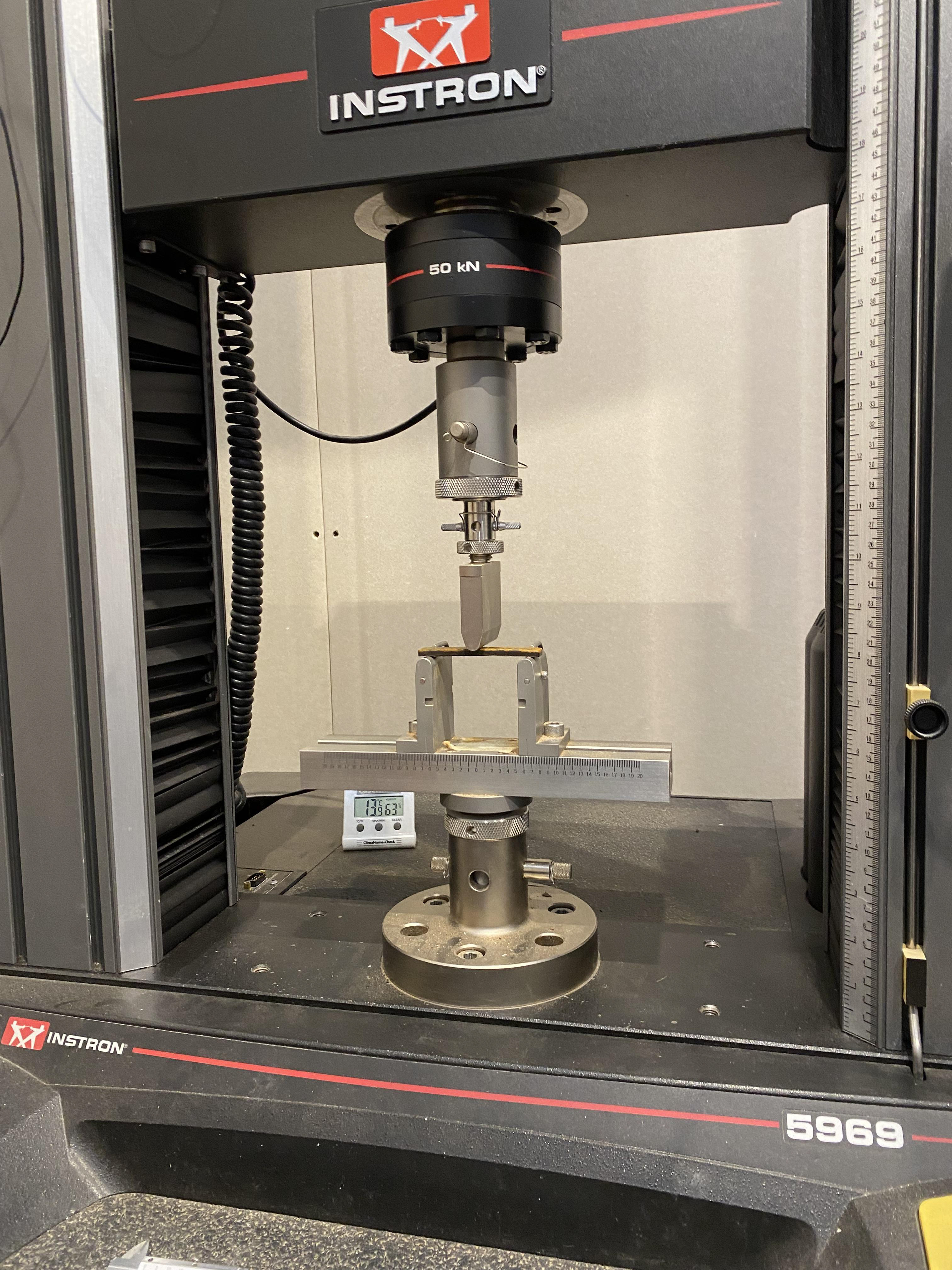
3-point bend test with samples
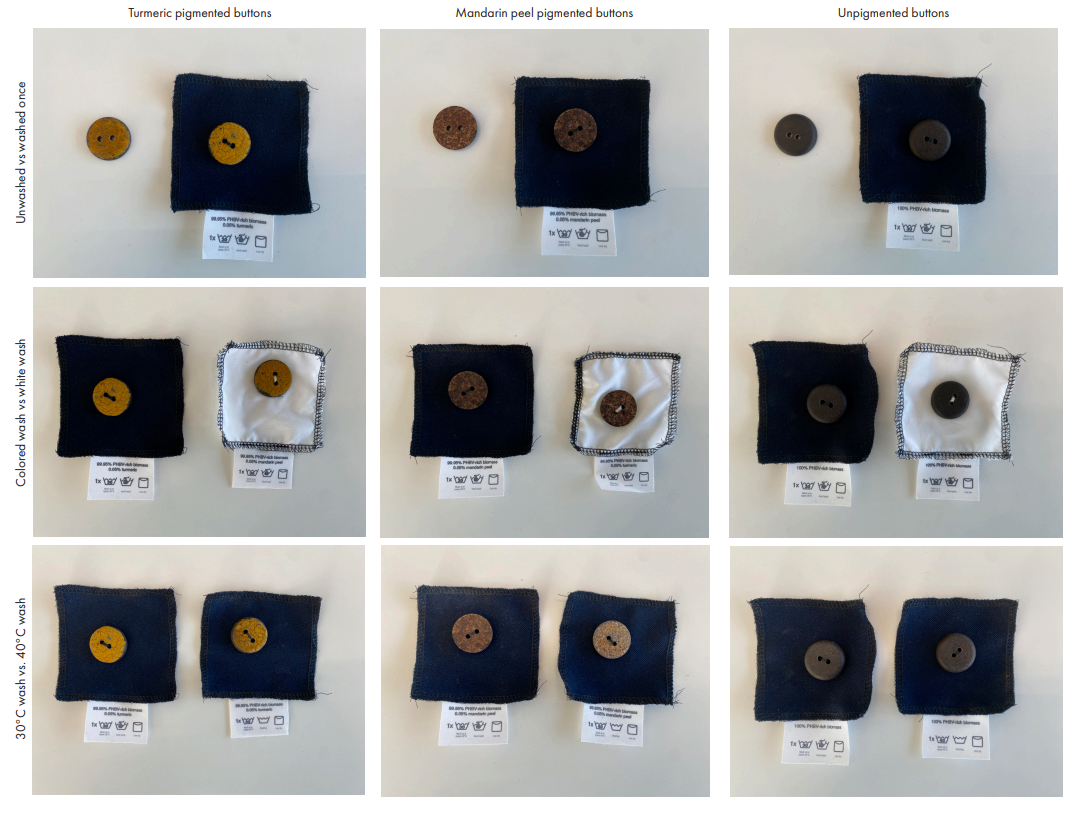
Washing experiment, the buttons gradually transform over time